Papua New Guinea, a land of extraordinary diversity, boasts over 600 islands scattered across the southwestern Pacific Ocean. These pristine archipelagos, many still untouched by mass tourism, offer adventurous travelers a rare glimpse into paradise as it once was—raw, authentic, and breathtakingly beautiful. From the volcanic islands of New Britain to the coral atolls of Milne Bay, PNG’s island treasures provide the perfect backdrop for the ultimate island-hopping adventure.
The Allure of PNG’s Island Frontiers
What sets Papua New Guinea’s islands apart from more frequented tropical destinations is their remarkable isolation. Many islands remain largely self-sufficient, with communities maintaining traditional lifestyles that have changed little over centuries. This isolation has preserved both cultural authenticity and environmental purity, creating experiences impossible to replicate elsewhere.
The islands showcase remarkable geographical diversity. Some feature mist-shrouded volcanic peaks plunging dramatically into turquoise waters. Others present as flat coral atolls with blinding white beaches and swaying palms. Inland, you might discover hidden waterfalls, thermal springs, or dense rainforests harboring birds of paradise and other exotic wildlife.
Pig Island: A Private Paradise
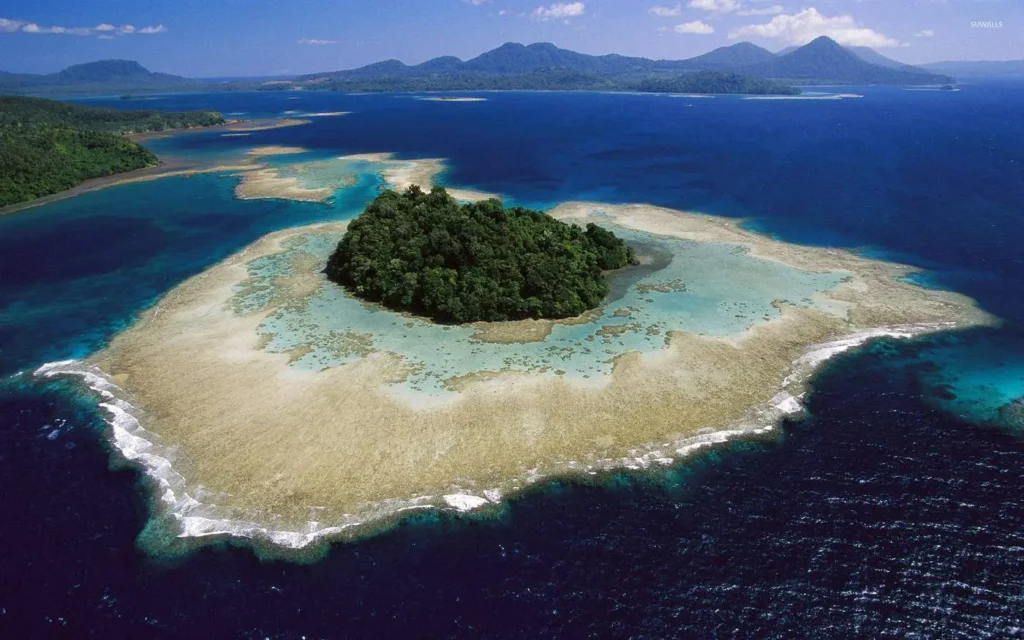
Among the most enchanting destinations for island hoppers is the aptly named Pig Island in Milne Bay Province. Despite its humble name, this small island offers an exclusive retreat that epitomizes tropical perfection. The island earned its name from the wild pigs that once roamed its shores, though today you’re more likely to encounter curious hermit crabs than porcine residents.
Pig Island’s appeal lies in its accessibility combined with its feeling of complete isolation. A short boat ride from East New Britain delivers visitors to shores of powdery white sand framed by coconut palms. The island’s interior remains largely undeveloped, with jungle paths leading to viewpoints overlooking the surrounding sea.
The waters surrounding Pig Island offer exceptional snorkeling opportunities directly from shore. The healthy fringing reef hosts a kaleidoscope of marine life, from tiny nudibranchs to graceful reef sharks. Lucky visitors might spot dugongs grazing on seagrass beds in the shallows—a rare wildlife encounter that underscores the ecological significance of these waters.
Accommodations on Pig Island remain deliberately basic, typically consisting of traditional-style bungalows with thatched roofs and open-air bathrooms. This simplicity enhances rather than detracts from the experience, allowing visitors to disconnect from modern distractions and reconnect with natural rhythms.
Kiriwina Island: Cultural Immersion
The largest of the Trobriand Islands, Kiriwina offers island hoppers a deeper cultural dimension. Here, ancient traditions remain vibrantly alive, including the famous yam harvest festivals and intricate wood carving traditions that have made Trobriand art world-renowned.
Kiriwina’s landscape features gently rolling hills covered with yam gardens, coconut groves, and clusters of traditional villages. The island’s eastern coast boasts spectacular beaches with crystal-clear waters, while the western side features dramatic limestone cliffs and caves adorned with ancient rock art.
Visitors to Kiriwina quickly discover that the island’s greatest treasure is its people. The Trobriand Islanders, known for their warmth and cultural pride, welcome respectful travelers into their communities. Village visits offer opportunities to witness master carvers creating intricate ebony and rosewood pieces, observe traditional dance performances, or learn about complex social structures that have fascinated anthropologists for generations.
Marine adventures around Kiriwina include kayaking through mangrove channels, snorkeling over vibrant reefs, and fishing expeditions with local guides who navigate using traditional knowledge passed down through generations. The surrounding waters teem with marine life, from colorful reef fish to pelagic species that migrate through these rich feeding grounds.
The Duke of York Islands: Historical Encounters
Between New Britain and New Ireland lies the Duke of York Islands, an archipelago of approximately 13 small islands with a fascinating historical legacy. These islands served as an early base for European missionaries and traders, creating a unique cultural blend that persists today.
The main island, Mioko, features remnants of colonial-era buildings alongside traditional villages. History enthusiasts can explore old church sites, abandoned trading posts, and even WWII relics scattered throughout the islands. Local guides share stories that bring these historical layers to life, connecting past events to present island realities.
Beyond historical attractions, the Duke of York Islands offer exceptional opportunities for water-based adventures. The protected waters between islands create ideal conditions for kayaking, stand-up paddleboarding, and sailing in traditional outrigger canoes. Underwater, divers discover healthy reefs and occasional WWII wrecks that have become artificial reefs teeming with marine life.
Accommodations in the Duke of York Islands range from simple guesthouses run by local families to more established eco-resorts that balance comfort with environmental sensitivity. Regardless of where you stay, expect to fall asleep to the sound of gentle waves and wake to spectacular sunrises over the Pacific.
Practical Considerations for Island Hopping
Island hopping in Papua New Guinea requires flexibility, patience, and advance planning. Transportation between islands typically involves small boats, occasional light aircraft, and sometimes scheduled ferries. Weather conditions can affect schedules, making buffer days essential when planning multi-island itineraries.
Most islands have limited infrastructure, with electricity often provided by generators operating only during evening hours. Mobile phone coverage varies dramatically, with some islands offering surprisingly good connections while others remain completely off-grid. This technological unpredictability becomes part of the adventure, forcing travelers to embrace the present moment rather than document it continuously.
Accommodations range from basic guesthouses to occasional high-end resorts, with most islands offering something in between—comfortable but simple bungalows that harmonize with the natural environment. Many establishments are locally owned, ensuring that tourism benefits island communities directly.
Cultural Respect and Environmental Responsibility
Successful island hopping in Papua New Guinea depends on cultural sensitivity and environmental awareness. Most islands operate under traditional ownership systems, with land and sea territories belonging to specific clans or families. Responsible travelers seek appropriate permissions before visiting certain areas, particularly sites with cultural or spiritual significance.
Environmental fragility is another important consideration. Island ecosystems face increasing pressure from climate change, with rising sea levels threatening low-lying atolls and warming waters impacting coral reefs. Visitors can minimize their impact by avoiding single-use plastics, respecting marine protected areas, and supporting conservation initiatives led by island communities.
The Ultimate Island Hopping Experience
Papua New Guinea’s island treasures offer adventurous travelers something increasingly rare in our interconnected world—genuine discovery. Each island presents unique landscapes, distinct cultural traditions, and opportunities for authentic connection with communities living close to the land and sea.
Whether you’re swimming in the pristine waters surrounding Pig Island, learning traditional crafts on Kiriwina, or exploring colonial history in the Duke of York Islands, PNG’s archipelagos provide the foundation for transformative travel experiences. Here, among these scattered emeralds in the Pacific, you’ll find not just postcard-perfect beaches but also profound insights into alternative ways of living in harmony with island environments.
For those willing to venture beyond conventional destinations, Papua New Guinea’s islands offer the ultimate reward—a journey through paradise as it was always meant to be experienced: wild, authentic, and utterly unforgettable.
No Responses