The Sepik River, one of Papua New Guinea’s most magnificent natural wonders, flows like a serpentine lifeline through the northern regions of this island nation. Stretching over 1,000 kilometers from its source in the central mountains to the Bismarck Sea, this mighty waterway has shaped not only the physical landscape but also the rich cultural tapestry of the communities that have thrived along its banks for millennia. For adventurous travelers seeking an experience that transcends ordinary tourism, a Sepik River expedition offers an unparalleled journey into one of the world’s last great frontiers.
The River’s Character
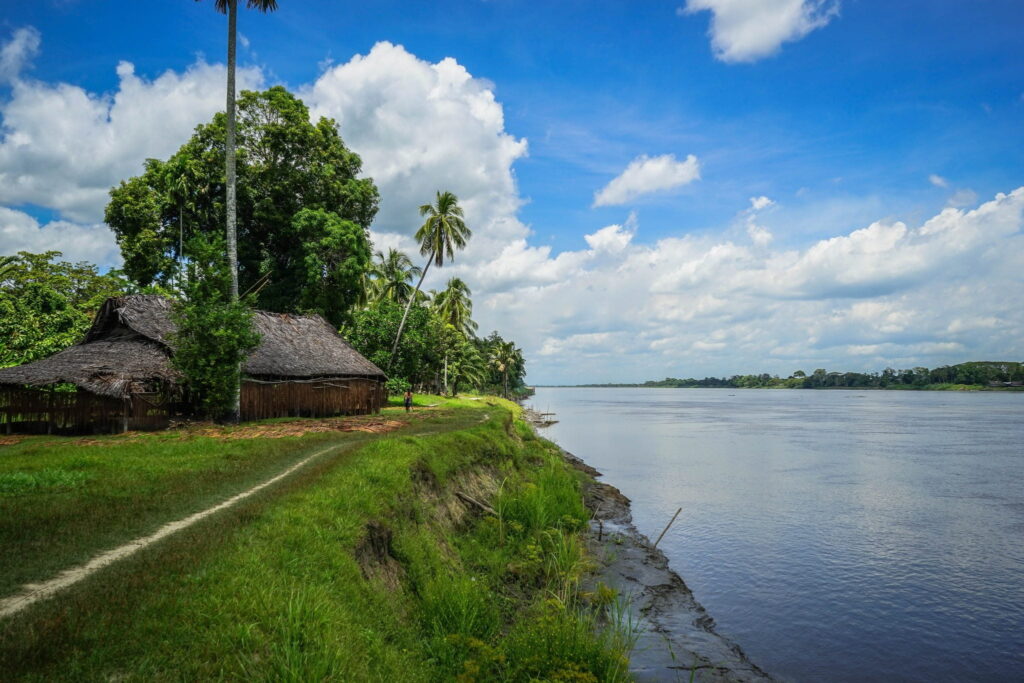
Unlike many of the world’s major rivers that have been tamed by dams and development, the Sepik remains wonderfully wild. Its character changes dramatically as it winds through diverse landscapes—from narrow channels choked with water lilies to broad expanses where the opposite shore appears as a distant green line on the horizon. During the wet season, typically reaching its peak around March, water levels rise significantly, creating shortcuts through flooded forests and allowing easier access to remote villages. In contrast, the dry season reveals sandbars and requires more fuel and time to navigate the meandering main channel.
The river serves as the primary highway for local communities, with dugout canoes being the traditional and still most practical mode of transportation. For visitors, these motorized canoes—equipped with simple plastic chairs—become both transportation and floating observation platforms from which to absorb the ever-changing scenery. Under broad-brimmed hats that provide essential protection from the tropical sun, travelers drift past stilted houses where curious residents wave from wooden platforms, creating moments of cross-cultural connection that transcend language barriers.
Cultural Immersion
What truly sets the Sepik apart is its remarkable cultural diversity. Every 10 miles or approximately every four villages, visitors notice distinct changes in architectural styles, artistic expressions, and cultural practices. This region represents one of the most linguistically diverse areas on the planet, contributing significantly to Papua New Guinea’s status as home to over 25% of the world’s languages.
The spiritual heart of many Sepik communities is the Haus Tambaran (Spirit House), an impressive structure where men gather and important ceremonies take place. These buildings, with their soaring facades and intricate carvings, serve as repositories of cultural knowledge and sacred objects. While traditionally restricted to initiated men, some communities now permit respectful visitors to enter these spaces—a privilege that offers rare insights into complex belief systems that have endured despite external pressures.
Perhaps the most famous cultural practice associated with the Sepik is the crocodile initiation ceremony. During this ancient coming-of-age ritual, young men undergo scarification, receiving hundreds of fine cuts that, when healed, resemble crocodile skin. This painful transformation symbolizes the transition from boyhood to warrior status, connecting initiates to the river’s most revered and feared creature. While the ceremony itself is rarely witnessed by outsiders, the resulting scars are proudly displayed by men throughout the region.
Artistic Traditions
The Sepik River basin is renowned worldwide for its extraordinary artistic traditions, particularly woodcarving. Villages specialize in distinct styles, from elaborate masks and ceremonial hooks to practical items like stools and drums. Many of these pieces incorporate ancestral figures, crocodile motifs, and other symbols that connect to complex spiritual beliefs.
Visitors have opportunities not only to purchase these unique artifacts directly from the artists but also to witness their creation. Carvers work with simple tools, transforming local hardwoods into pieces that rival museum-quality art. Clay pottery represents another significant artistic tradition, particularly in certain Middle Sepik communities.
The garamut drum—a hollowed log carved into the shape of a totem animal—plays a crucial role in village communication and ceremonies. Some of these instruments have been preserved for generations, with drums over a century old still carefully maintained and played for special occasions or to honor visiting guests.
Wildlife Encounters
The Sepik ecosystem supports remarkable biodiversity. Early morning excursions offer opportunities to spot the lesser bird of paradise performing its elaborate mating display—a breathtaking explosion of color and movement in the forest canopy. Crocodiles, both freshwater and saltwater species, inhabit the river and its tributaries. Evening spotlighting trips reveal their glowing red eyes along muddy banks, while daytime sightings might include juveniles basking on logs.
Fishing remains central to riverine communities, with locals demonstrating remarkable skill in traditional techniques. Visitors often have opportunities to try their hand at catching dinner, though few match the efficiency of residents who have inherited generations of knowledge about the river’s patterns and inhabitants.
Planning Your Expedition
Sepik expeditions typically range from four to nine days, with longer journeys reaching more remote areas like the Upper Sepik where fewer foreign visitors venture. Most expeditions begin in Wewak, a coastal town with air connections to Port Moresby. From there, travelers either drive to river entry points like Pagwi (for Middle Sepik) or fly to more remote airstrips for Upper Sepik access.
Accommodations along the river are deliberately basic—typically village guesthouses with simple bedding, mosquito nets, and limited electricity from generators that run only during evening hours. This simplicity becomes part of the adventure, forcing travelers to disconnect from modern distractions and engage more deeply with their surroundings.
Specialized tour operators like PNG Frontier Adventures, with decades of experience in the region, provide essential logistical support, knowledgeable guides, and cultural interpretation. These companies maintain relationships with river communities that ensure respectful interactions and authentic experiences.
Ethical Considerations
Responsible travel on the Sepik requires cultural sensitivity and environmental awareness. The region faces challenges from climate change, with altered rainfall patterns affecting river levels and traditional agriculture. Some communities are engaged in grassroots conservation initiatives, working with organizations like the World Wildlife Fund to protect pristine rainforests that feed the river system.
Visitors should approach cultural encounters with respect, asking permission before photographing people or entering sacred spaces. Supporting local economies through fair purchases of artifacts and appropriate compensation for services helps ensure tourism benefits river communities directly.
A Transformative Journey
A Sepik expedition is not for those seeking luxury or predictability. The river demands flexibility, patience, and a willingness to embrace the unexpected. Days unfold according to water levels, weather conditions, and the rhythms of village life rather than rigid itineraries.
Yet for those willing to surrender to the river’s flow, the rewards are extraordinary. Few experiences offer such profound insights into alternative ways of living or such intimate connections with communities maintaining traditions that stretch back thousands of years. In a world increasingly homogenized by globalization, the Sepik represents something precious—a place where diversity flourishes and ancient knowledge endures.
As one recent traveler described it: “The Sepik River will probably be the remotest place you would have visited. There is no road between the villages (only the river), no electricity (except for few houses that start a generator for few hours in the evening) and the housing conditions are at least basic. But you don’t need to be adventurous to be delighted by this place.”
For those seeking not just a journey through geographical space but also a voyage into cultural depth, the mighty Sepik offers an adventure that will resonate long after the final sunset over its brown waters fades from view.
No Responses