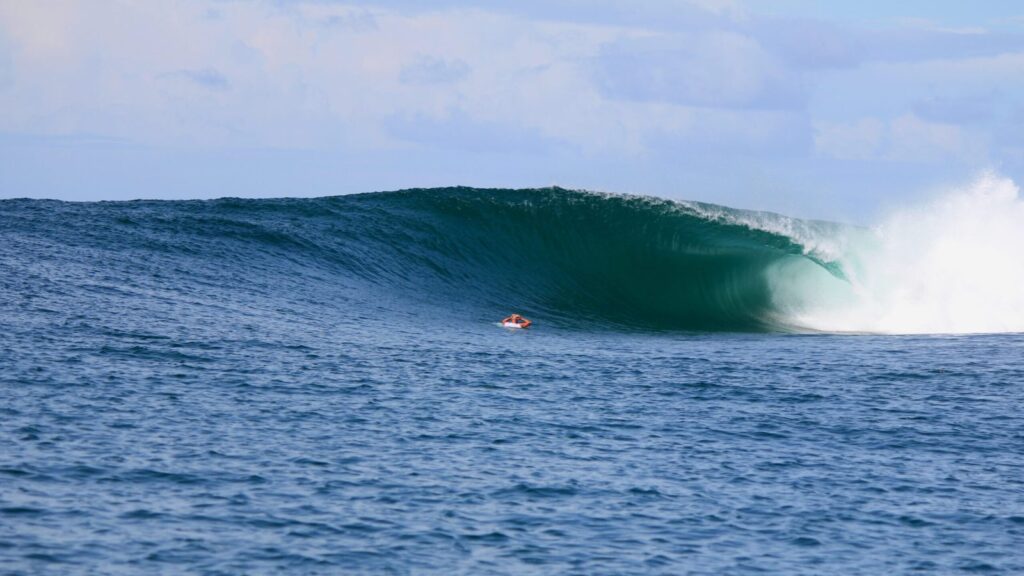
Papua New Guinea remains one of surfing’s last frontiers—a destination where perfect waves peel across pristine reefs with barely another soul in sight. While Indonesia and other Pacific islands have seen their legendary breaks become increasingly crowded, PNG offers what has become surfing’s most coveted commodity: solitude. For those willing to venture beyond the well-trodden surf trails, Papua New Guinea’s coastlines harbor world-class waves that break with remarkable consistency and astonishing emptiness.
The Allure of Papua New Guinea’s Surf Scene
What makes PNG’s surf scene so special isn’t just the quality of the waves—although they certainly rival those found in more established destinations. It’s the entire experience: paddling out to empty lineups framed by palm-fringed beaches and volcanic mountains, sharing waves with a handful of fellow adventurers rather than dozens of competitors, and connecting with local communities for whom surfing represents a relatively new cultural addition.
The water itself adds to the appeal. Consistently warm temperatures hovering between 28-30°C (82-86°F) year-round mean surfers can leave their wetsuits at home. The water clarity often allows visibility to depths of 15 meters or more, creating the surreal experience of watching tropical fish and coral formations pass beneath your board as you paddle.
New Ireland Province: The Surfing Epicenter
New Ireland Province, particularly the area around Kavieng at the island’s northern tip, has emerged as PNG’s premier surfing destination. This slender island, stretching approximately 360 kilometers, is blessed with consistent swell exposure and a variety of reef breaks that work in different wind and swell conditions.
Nago Island, just a short boat ride from Kavieng, serves as the base for many surf adventures. From here, local guides transport surfers to numerous breaks within a 20-minute radius. The most celebrated spots include:
Pikinini Point: A right-hand reef break that offers long, walling sections perfect for carving turns, occasionally opening up into barrel sections when the swell direction is optimal. The wave breaks over a shallow coral reef but maintains a relatively forgiving channel for paddling back to the lineup.
Nusa Tubes: As its name suggests, this right-hander is known for cylindrical barrels that form over a shallow reef. Best surfed at mid to high tide, it provides advanced surfers with the thrill of threading through perfectly formed tubes in crystal-clear water.
Ral Island: This left-hand break wraps around a small island, offering a longer ride than many of the region’s spots. Its more forgiving nature makes it suitable for intermediate surfers, while still providing enough wall and occasional barrel sections to keep advanced surfers entertained.
What makes these waves particularly special is their consistency. While the prime season runs from October to April when northwest winds create optimal conditions, the region receives swell year-round, meaning there’s rarely a day without surfable waves somewhere in the area.
New Britain’s Emerging Breaks
The island of New Britain, particularly around Kimbe Bay on the north coast, represents PNG’s next surfing frontier. This region has only recently appeared on surfers’ radar, meaning many breaks remain unnamed and unexplored. The established spots include:
Waru Left: A powerful left-hander breaking over a coral reef, offering barrel sections and walls perfect for performing maneuvers. Its relative consistency makes it a reliable option when conditions align.
Otto’s Right: Named after a local guide who first recognized its potential, this right-hand reef break offers a fast-paced ride with multiple sections, including barrels in the right conditions.
The wave quality in New Britain equals that found in New Ireland, but with even fewer surfers making the journey here, the experience feels particularly pioneering. Surfers might find themselves being the first to ride certain breaks on any given day, a rarity in today’s interconnected world.
Surfing Culture and Community Impact
Unlike destinations where surfing has been established for generations, PNG’s surf culture is relatively young. The sport was introduced in the 1980s but has gained momentum only in recent decades. This nascent surf scene has developed with a strong emphasis on community involvement and sustainable practices.
The Surfing Association of Papua New Guinea has implemented a unique “surf management plan” that benefits local communities while preserving the uncrowded nature of the breaks. Under this system, villages maintain traditional ownership of their local surf spots and charge a modest fee for access. These funds go directly to community development projects, including schools, water systems, and healthcare initiatives.
This approach ensures that surfing tourism benefits those who have been stewards of these coastlines for generations. It also naturally limits crowd sizes, as each area has a maximum capacity determined by the local communities. For visiting surfers, this means not only empty waves but also meaningful cultural exchanges with villagers eager to share their homes and traditions.
Practical Considerations for Surf Travelers
Surfing in Papua New Guinea requires more planning than trips to established destinations. Most visitors arrange their adventures through specialized surf tour operators who handle logistics including boat transportation, accommodations, and community access fees.
The prime surfing season coincides with the northwest monsoon from October through April, when winds blow offshore at many breaks. However, the shoulder seasons can offer excellent conditions with even fewer fellow surfers. The dry season from May to October may see smaller swells but provides more consistent weather patterns.
Regarding equipment, a quiver of two boards is typically sufficient—a standard shortboard for average days and something with more volume for smaller conditions. Bringing a spare leash and fins is advisable given the remote nature of the destination. Reef booties are essential for navigating the sharp coral during entries and exits.
Accommodations range from basic guesthouses to more comfortable surf lodges and resorts. Nusa Island Retreat near Kavieng and Rubio Plantation Retreat in Kimbe Bay offer surf-focused stays with boat access to multiple breaks. These establishments typically include all meals, boat transfers to surf spots, and cultural excursions in their packages.
Beyond the Surf
What elevates a Papua New Guinea surf trip beyond ordinary wave-riding experiences are the activities available between sessions. World-class diving and snorkeling sites lie just minutes from many surf breaks, offering encounters with vibrant coral gardens, WWII wrecks, and marine life ranging from tiny nudibranchs to reef sharks and occasionally manta rays.
Cultural experiences provide another dimension to the journey. Many surf lodges arrange village visits where travelers can witness traditional ceremonies, learn about local crafts, and gain insights into customs that have endured for centuries. These interactions often become the most memorable aspects of a PNG surf adventure, creating connections that transcend the waves themselves.
The Future of PNG Surfing
As global surf tourism continues to grow, Papua New Guinea’s position as one of the last uncrowded frontiers becomes increasingly precious. The community-based approach to surf resource management offers a sustainable model that could preserve this unique characteristic for generations to come.
For those willing to venture beyond the familiar, Papua New Guinea promises not just world-class waves but a holistic adventure that reconnects surfers with the sport’s pioneering spirit. In these crystalline waters, breaking over ancient reefs beside villages where traditional life continues largely unchanged, modern surfers can rediscover what drew the first wave-riders to distant shores—the perfect combination of natural beauty, cultural richness, and the simple joy of riding uncrowded waves in paradise.
No Responses